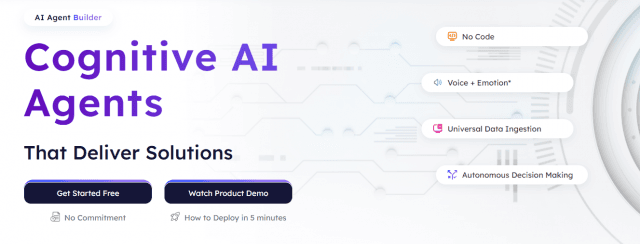
In today's fast-paced digital landscape, businesses are constantly seeking innovative ways to stay ahead of the competition, connect with customers more effectively, and optimize their marketing strategies. One of the most significant technological advancements reshaping the marketing world is AI marketing automation. By merging artificial intelligence with automation tools, companies can streamline workflows, enhance personalization, and make data-driven decisions that drive measurable results.

This article explores what AI marketing automation is, how it works, its benefits, challenges, use cases, and the future of AI-powered marketing.


What Is AI Marketing Automation?

AI marketing automation combines artificial intelligence technologies—such as machine learning, natural language processing (NLP), and predictive analytics—with traditional marketing automation tools. The goal is to automate repetitive marketing tasks, enhance decision-making, and deliver personalized experiences at scale.

Traditional marketing automation focuses on streamlining repetitive tasks like sending emails, scheduling social media posts, or managing lead scoring. AI takes this a step further by analyzing large amounts of data, identifying patterns, predicting customer behavior, and continuously optimizing marketing campaigns based on real-time performance.

In essence, AI marketing automation doesn't just do tasks faster—it thinks strategically.


How AI Marketing Automation Works

To understand how AI marketing automation functions, it's helpful to look at its core components and processes:

  1. Data Collection and Analysis

    AI systems gather vast amounts of customer data from various sources—websites, social media, email interactions, CRM systems, and more. This data is then analyzed to uncover customer preferences, buying patterns, and engagement behaviors.

  2. Segmentation and Targeting

    AI algorithms automatically segment audiences based on behavioral and demographic factors. Unlike manual segmentation, AI continually refines these groups as new data becomes available, ensuring marketers reach the right audience at the right time.

  3. Personalization

    Using predictive analytics, AI marketing automation delivers hyper-personalized content and recommendations. For instance, it can determine which type of email subject line, social media ad, or landing page will most likely convert a specific customer.

  4. Predictive Decision-Making

    AI models forecast customer actions—such as likelihood to purchase, churn, or engage—allowing marketers to proactively design campaigns that align with expected behaviors.

  5. Automated Execution

    Once strategies are set, AI-driven systems automatically execute campaigns across multiple channels—email, SMS, social media, paid ads, and more—ensuring consistent messaging and timing.

  6. Continuous Optimization

    Perhaps the most powerful feature, AI continuously analyzes campaign performance and adjusts tactics in real-time. If an ad isn't performing well, for instance, the system can modify targeting parameters or creative elements automatically.


Benefits of AI Marketing Automation

The integration of AI into marketing automation tools brings transformative benefits for businesses of all sizes.

1. Enhanced Personalization

Today's customers expect personalized experiences. AI marketing automation allows brands to deliver tailored messages, recommendations, and offers based on real-time behavior and preferences. This leads to higher engagement rates and improved customer satisfaction.

2. Improved Efficiency and Productivity

By automating repetitive tasks like email scheduling, social posting, and lead nurturing, AI frees marketers to focus on creative strategy and innovation. Campaigns that once took days to execute can now be launched in minutes.

3. Data-Driven Insights

AI analyzes large data sets faster and more accurately than humans. It uncovers trends, patterns, and insights that help businesses make informed marketing decisions. Predictive analytics ensures campaigns are not based on assumptions but on actual data.

4. Better Customer Retention

By identifying potential churn risks early, AI marketing automation enables proactive engagement strategies—like personalized retention emails or special offers—to keep customers loyal.

5. Real-Time Optimization

Traditional marketing relies heavily on post-campaign analysis. AI, however, continuously evaluates performance and makes adjustments on the fly, maximizing ROI and minimizing wasted spend.

6. Cost Savings

While implementing AI tools requires an initial investment, the long-term benefits—reduced manual work, higher conversion rates, and improved targeting—translate into significant cost savings.


Key Applications of AI Marketing Automation

AI marketing automation is transforming every aspect of digital marketing, from content creation to customer relationship management. Below are some of the most impactful applications.

1. Email Marketing

AI automates email workflows while optimizing send times, subject lines, and message content for each recipient. Predictive models determine when a user is most likely to open an email and what type of message resonates most.

2. Social Media Management

AI-powered tools manage posting schedules, curate content, and even generate captions or hashtags. They analyze engagement metrics to suggest the best content formats and posting times.

3. Chatbots and Conversational AI

Intelligent chatbots powered by AI marketing automation engage users 24/7, answer questions, guide them through sales funnels, and collect valuable data about customer needs and preferences.

4. Content Creation and Optimization

AI tools can write short-form content, suggest keywords, and even generate blog outlines or product descriptions. They analyze performance metrics to recommend improvements and ensure SEO alignment.

5. Predictive Lead Scoring

AI evaluates and ranks leads based on their likelihood to convert. It uses behavioral and demographic data to help sales teams focus on high-potential prospects.

6. Ad Campaign Optimization

AI automates bidding strategies, tests creative variations, and identifies which ad placements yield the best ROI. Platforms like Google Ads and Meta Ads already rely heavily on AI for automated optimization.

7. Customer Journey Mapping

AI tracks and analyzes how customers move through the sales funnel, helping marketers design more efficient and personalized experiences that drive conversions.


Challenges of AI Marketing Automation

Despite its immense potential, AI marketing automation comes with several challenges that businesses must address.

1. Data Privacy and Compliance

AI relies heavily on data. Collecting and processing user information can raise privacy concerns, especially under regulations like GDPR and CCPA. Companies must ensure ethical and compliant use of data.

2. Integration Complexity

Integrating AI tools with existing marketing stacks (like CRM, CMS, or analytics platforms) can be complex. Poor integration may lead to fragmented data and inconsistent workflows.

3. Initial Cost and Skill Requirements

AI-based solutions can be expensive to implement initially. Moreover, teams may require training or specialized skills to effectively use these technologies.

4. Over-Automation Risk

While automation saves time, over-reliance on AI may make marketing efforts feel impersonal. Maintaining a balance between automation and human creativity is crucial.

5. Data Quality Issues

AI systems are only as good as the data they process. Inaccurate or incomplete data can lead to flawed predictions and poor campaign outcomes.


Best Practices for Implementing AI Marketing Automation

To fully leverage the power of AI marketing automation, businesses should follow a strategic and phased approach.

1. Define Clear Goals

Identify what you want to achieve—better lead generation, improved conversion rates, higher engagement, or cost reduction. A clear strategy ensures that AI tools are aligned with your objectives.

2. Start Small and Scale Gradually

Begin with a specific area, such as email marketing or social media automation. Test, analyze, and refine before scaling across all marketing channels.

3. Prioritize Data Quality

Ensure your customer data is accurate, updated, and well-organized. The success of AI depends on reliable and clean data inputs.

4. Choose the Right Tools

There are numerous AI marketing automation platforms available—such as HubSpot, Salesforce, Marketo, and others. Select a solution that integrates well with your existing systems and meets your business needs.

5. Combine Human and AI Intelligence

Use AI for data analysis and automation but retain human creativity for storytelling, branding, and emotional engagement. The best results come from synergy, not substitution.

6. Continuously Monitor and Optimize

AI learns over time, but human oversight ensures that campaigns remain aligned with brand tone and evolving customer needs. Regular audits and adjustments are essential.


The Future of AI Marketing Automation

As technology advances, AI marketing automation is expected to become even more sophisticated and accessible. Several key trends are shaping its future:

1. Hyper-Personalization at Scale

Future AI systems will deliver even more granular personalization—based on micro-moments, emotional states, and real-time behaviors. Brands will communicate with customers almost as if one-to-one.

2. Predictive and Prescriptive Analytics

While predictive analytics forecasts future actions, prescriptive analytics will suggest specific actions marketers should take to achieve desired outcomes.

3. AI-Driven Content Generation

Generative AI tools will produce not only text but also video, images, and interactive content tailored to each customer segment.

4. Voice and Visual Search Optimization

As voice assistants and visual search become mainstream, AI marketing automation will adapt to these channels, optimizing content for new forms of user interaction.

5. Integration with IoT and Wearables

AI will analyze real-time data from smart devices to deliver hyper-contextual marketing messages—for example, offering fitness product suggestions after a workout detected by a wearable.


Conclusion

AI marketing automation is not just a trend—it is a paradigm shift in how businesses connect with audiences, manage campaigns, and drive growth. By combining the analytical power of artificial intelligence with the efficiency of automation, companies can deliver personalized experiences, make smarter decisions, and achieve higher returns on investment.

However, success with AI marketing automation requires more than just adopting new tools. It demands a strategic mindset, quality data, and a balance between automation and human creativity. As the technology continues to evolve, organizations that embrace AI-driven marketing early will gain a significant competitive advantage in the digital economy.

In a world where customer expectations and market dynamics change rapidly, AI marketing automation stands as the key to unlocking smarter, faster, and more impactful marketing strategies for the future.